

Annual and Casual Leave in Sri Lanka: A Practical Guide for Shop and Office Employers
Nov 17, 2026
Managing employee leave requires an accurate understanding of statutory entitlements, joining dates, and leave already taken. Errors in these details can lead to incorrect balances, approval disputes, and confusion among employees.
Under Sri Lanka's Shop and Office Employees Act, annual and casual leave follow different entitlement rules. Employers need to apply these rules correctly while maintaining reliable leave records.
This guide explains the key requirements and practical considerations for managing employee leave.
Why Employers Get Leave Balances Wrong
Leave balance errors often occur when joining dates, previous-year entitlements, and approved leave are not recorded consistently.
Annual leave is generally earned in one year and taken in the following year, while casual leave can be used during the current year.
Combining these entitlements or overlooking approved leave can lead to incorrect balances.
An accurate leave balance calculation should account for the employee's applicable entitlement, leave already taken, and approved upcoming leave.
Which Employees Are Covered by the Shop and Office Employees Act?
The Shop and Office Employees Act applies to employees working in establishments covered by its definitions of shops and offices, including many retail and commercial workplaces.
Other employment categories may be governed by different legislation, such as the Wages Boards Ordinance.
Employers should establish which legal provisions apply to their workforce before configuring leave policies. Employment agreements may also provide benefits beyond the statutory minimum.
Annual Leave: Service Year and Start-Date Scenarios
Under the Act, annual leave earned during a year of employment is generally taken in the following year.
For most covered employers, the employment year runs from January to December. First-year entitlements depend on the employee's joining date.
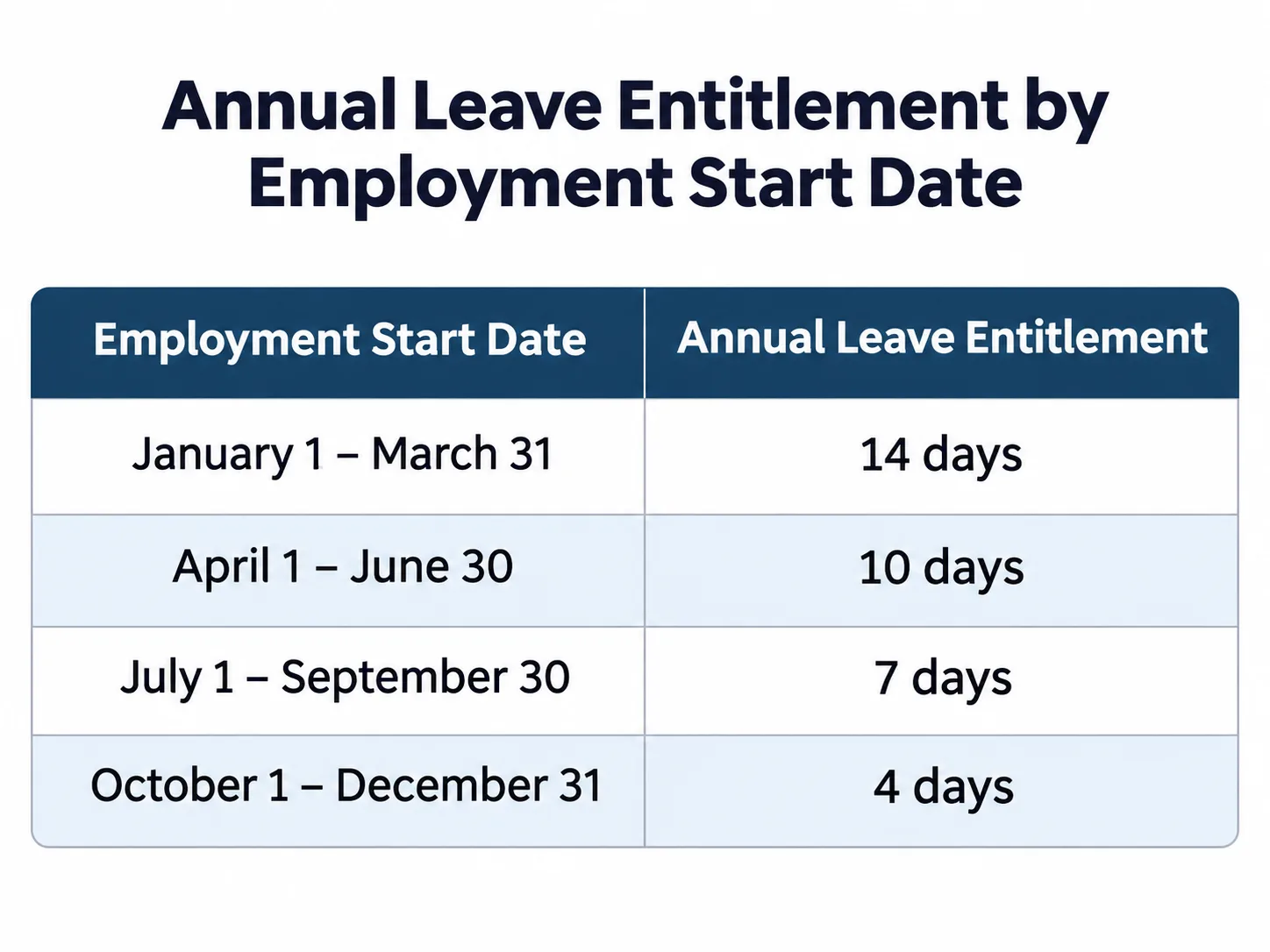
For example, an employee joining in August 2026 is entitled to seven days of annual leave earned for that year, to be taken in 2027.
From the second year onwards, covered employees generally receive 14 days of annual leave, of which at least seven days must be consecutive.
Employers should maintain accurate employment dates and entitlement records to apply these rules consistently.
Casual Leave: Accrual and Recordkeeping
Casual leave in Sri Lanka provides covered shop and office employees with up to seven days of paid leave annually for personal matters, illness, or other reasonable causes.
During the first year, casual leave is calculated at one day for every completed two months of service.
An employee completing six months of service would therefore be entitled to three days of casual leave.
From the second year onwards, the seven-day entitlement can generally be taken during the relevant employment year.
HR teams should record casual leave separately from annual leave and maintain accurate records of requests, approvals, and leave taken.
Public Holidays, Poya Days and Leave Calendars
Annual and casual leave are separate from statutory holiday entitlements.
The Shop and Office Employees Act provides specific provisions for Full Moon Poya days and designated public holidays.
Employers should maintain separate holiday calendars and ensure eligible statutory holidays are not incorrectly deducted from annual or casual leave balances.
Holiday entitlements should also be reviewed against the employee's applicable working arrangements and employment legislation.
Practical Leave Tracking and Approval Checks
Reliable leave management in Sri Lanka depends on maintaining accurate records and clear approval responsibilities.
Employers should:
Record employee joining dates and applicable leave entitlements.
Maintain separate annual and casual leave balances.
Account for approved upcoming leave when displaying available balances.
Track leave requests through all required approval levels.
Review leave records when employment details change.
Check balances regularly and resolve discrepancies before approving requests.
A leave management system can support these activities by organizing employee entitlements, requests, balances, and approval records.
For businesses reviewing their existing approach, Unicorn HRM Leave Management provides an option for managing leave records and approval workflows.
Accurate leave records help employers meet their responsibilities and give employees a clear understanding of their available leave.
Transform the Way You Manage Your Workforce
Unicorn HRM brings employee management, attendance tracking, leave management, and HR processes into one streamlined system.